OEM Pet Products: Sampling, Tooling Ownership and What to Lock Before Production
OEM goes wrong in a predictable order: the sample is approved, the tooling is never discussed, the bulk run differs from the sample, and nobody can prove which side changed. Here is the sequence that avoids it.
OEM means something narrower than most buyers assume
Three arrangements get called OEM and they carry different costs:
| Arrangement | What changes | What it requires |
|---|---|---|
| Private label | Your logo on an existing model, existing carton | Artwork files and a print plate. The product itself does not move. |
| OEM on an existing platform | Your colour, fabric, size or accessory set on a known structure | New sewing patterns or panel dimensions, plus a spec sheet both sides sign. |
| Full OEM / ODM | A structure that does not exist yet | Design files, prototype rounds, and a decision on tooling ownership before the first prototype. |
Most first-time buyers asking for "OEM pet products" want the middle row and are quoted the top row. Clarifying this before sampling saves a round of prototypes.
The five sampling stages, and what each one is for
Sampling is not one event. Buyers who treat it as one event approve the wrong stage and discover the mistake at bulk.
- Concept sample. Proves the structure stands up and the platform sizes work for the target animal. Made from whatever board and fabric is already on the floor. Never approve this as a production standard.
- Spec sample. Made from the exact board, post core, fabric and hardware you intend to buy. This is the sample that becomes the standard, and the one worth paying for.
- Branded sample. Spec sample plus your label, carton print and hardware bag. This is where colour and print problems surface, because they are packaging problems.
- Pre-production sample (PPS). Pulled from the first bulk run, before packing. Checked against the signed spec sample, not against the photo.
- Shipment sample. Pulled from packed cartons. This is the only one that tells you whether transit packing works.
Between stages 2 and 4 the spec sheet does the work. If the only record of the approved sample is a photo on a phone, differences at bulk cannot be proven either way.
Tooling: the part buyers forget to ask about
Pet products carry less mould tooling than consumer electronics, but they carry three kinds of tooling that matter, and ownership is negotiable in all three.
| Tooling | Where it appears | Typical ownership question |
|---|---|---|
| Cutting dies / CNC programs | Board panels with shaped profiles | Does the program travel with the buyer, or stay with the factory? A CNC file is portable; a die is not. |
| Sewing patterns | Cushions, condos, covers, hammocks | Usually the factory's, but a paper or digital pattern can be transferred on request. |
| Print plates and carton dies | Your logo on carton, label, hardware bag | Almost always charged to the buyer, and almost never mentioned at quotation. |
The practical rule: anything you pay a one-off charge for should be named in the invoice as yours, or the price should reflect that it is not. Both are workable. Ambiguity is not, because it locks you to one factory without you realising it. Whether a specific project carries a tooling charge, and how much, depends on the structure and the print work — we quote it per project rather than publish a schedule.
Documents that prevent a rerun
- Signed spec sheet — materials, dimensions, tolerances, colour references, hardware list. One page per SKU.
- Approved sample, retained by both sides. Two identical samples, sealed and dated. A single sample held by the buyer proves nothing about what the factory kept.
- Colour standard — a physical swatch or a named reference system, not a screen colour.
- Carton artwork with a revision number, so a later change is visibly a change.
- Inspection checklist naming the points that get checked and the acceptance criteria at each.
- Tooling statement — what one-off charges were paid, who owns the output, and whether it is transferable.
Lead time: what is actually in it
Buyers compare quoted lead times that describe different things. Split the figure before comparing:
| Phase | What drives its length |
|---|---|
| Sampling rounds | Number of rounds, courier time, and how fast feedback comes back from your side |
| Material lead time | Whether board and fabric are stock items or ordered in for your colour |
| Print work | Plate making plus carton printing — usually the longest single item on a private-label run |
| Production | Line loading and the hand-labour steps: sewing, covering, packing |
| Inspection and loading | Whether inspection is inline or end-of-line, and container booking |
Quoted figures depend on the model and current line loading, so we give them per inquiry with the four phases separated, rather than one total that hides the print work.
Where OEM projects usually fail
Not at the factory. At the handover between the buyer's marketing team and the buyer's sourcing team: the packaging was designed for a product that changed size, or the label was approved before the carton artwork revision. Two habits fix most of it — freeze the product spec before starting packaging, and put a revision number on every artwork file.
From our product catalogue
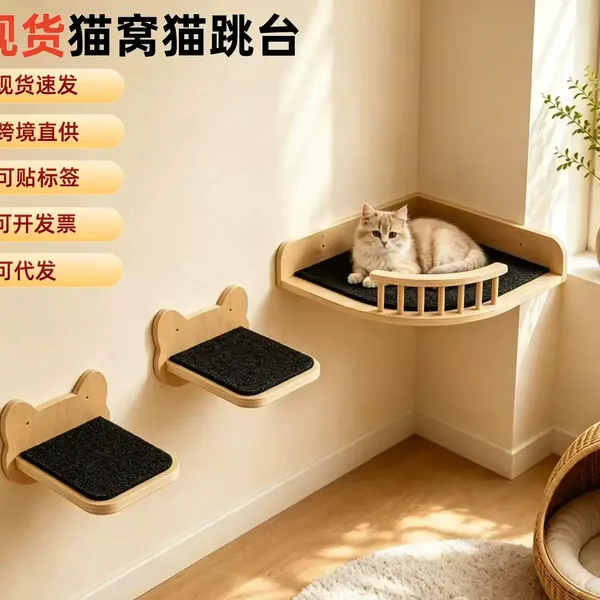
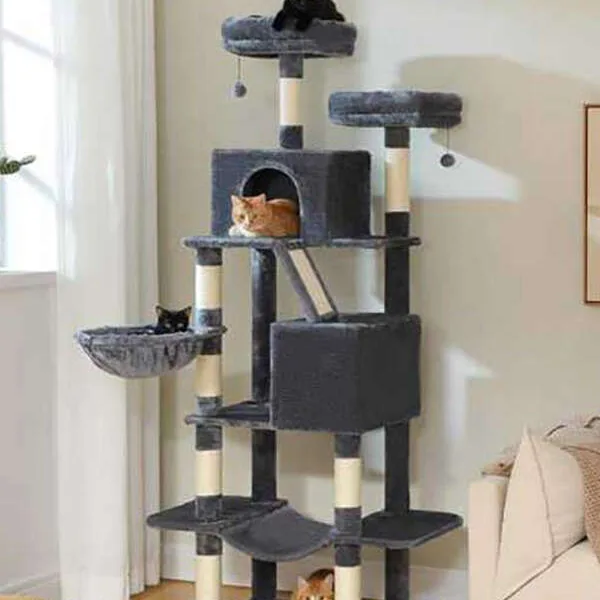
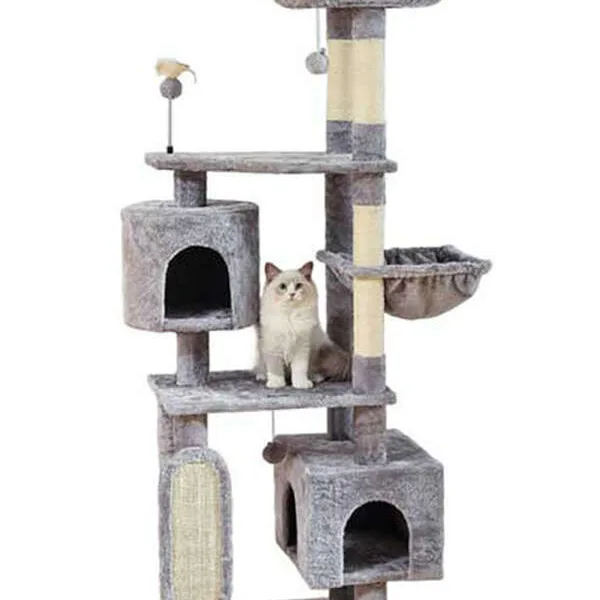
Real products we manufacture — sizes and options are on the product page.
Buying checklist
- Arrangement named: private label, OEM on existing platform, or full OEM
- Spec sample (not concept sample) approved and sealed on both sides
- Tooling position written down: what was charged, who owns it, is it transferable
- Colour standard agreed as a physical swatch or named reference, not a screen colour
- Carton artwork carries a revision number
- Lead time quoted in four phases rather than one total
FAQ
What is the difference between OEM and private label for pet products?
Private label puts your logo on an existing model and existing carton — the product itself does not change. OEM changes something about the product: colour, fabric, size or accessory set on a known structure, or a new structure entirely. The sampling work and the tooling charges are very different between the two, so name which one you are asking for before the first quote.
Who owns the mould or tooling in an OEM pet product project?
Whoever the invoice says, which is why it has to be written down. Cutting dies, sewing patterns and print plates are three separate items with three separate answers. If you pay a one-off charge, ask for it to be named as your property or for the price to reflect that it is not — both are workable, but the ambiguity locks you to one supplier without you noticing.
How many samples should I expect before bulk production?
Realistically five stages: concept, spec, branded, pre-production and shipment sample. The one that matters is the spec sample made from the exact materials you are buying — approving a concept sample as the production standard is the single most common cause of a bulk run that does not match what was signed off.
Starting an OEM pet products project?
We manufacture cat trees and pet furniture in Ningbo. Send the structure or reference you have in mind and we will come back with the sampling plan, the tooling position for your design, and the carton plan — in writing, before you commit.
See the rangeFloor to Ceiling Cat Tree: What to Check Before You BuyWall Mounted Cat Shelves: Load Ratings, Fixings and LayoutCat Tree for a Maine Coon: Sizing Rules That Actually WorkCat Tree for Multiple Cats: Sizing for Two, Three or MoreSisal Cat Tree Posts: What Actually Determines How Long They LastHow Tall Should a Cat Tree Be? A Practical Guide